

How to Pack a Kitchen for Moving
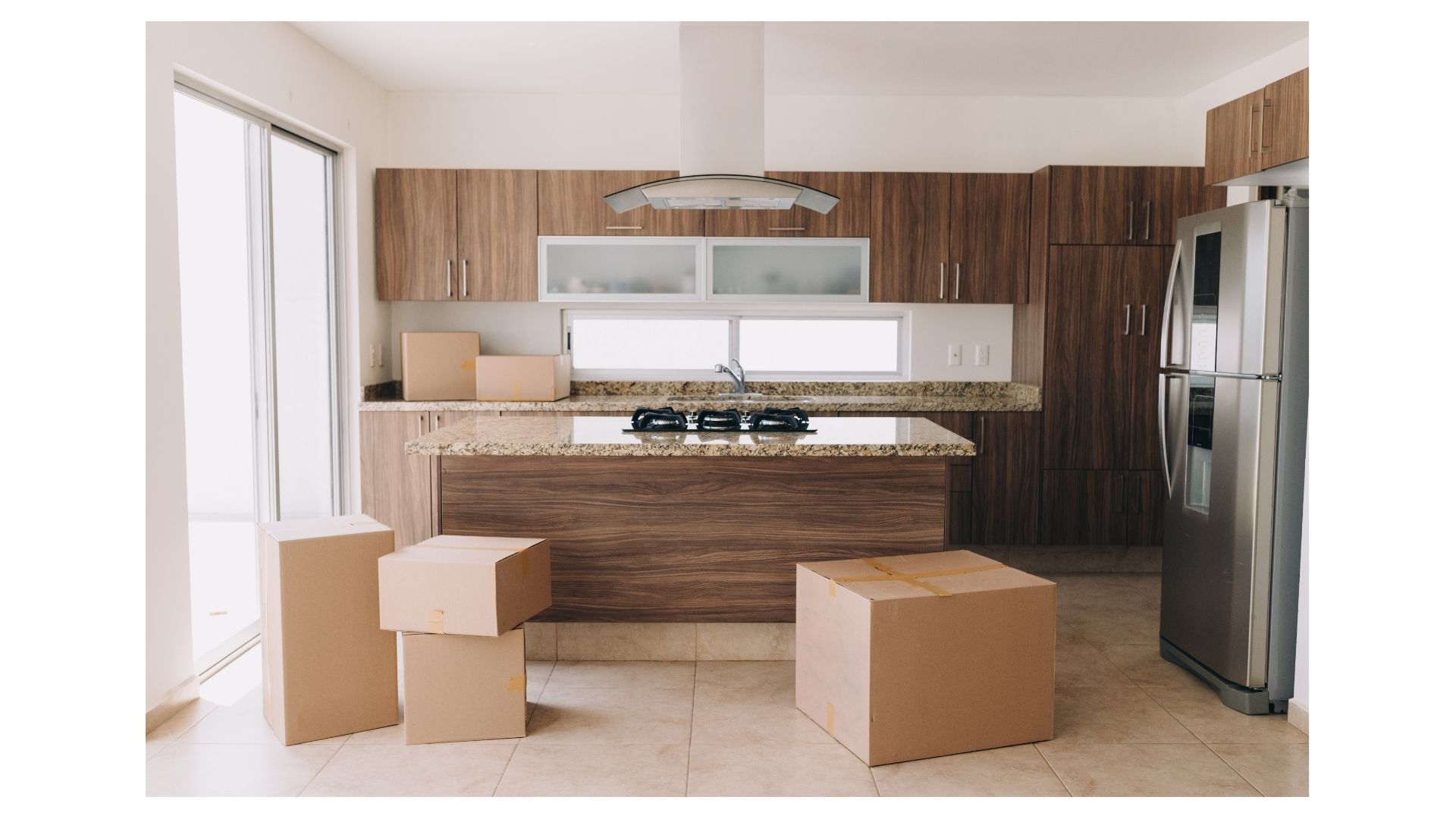
Ask anyone who has moved recently which room gave them the most trouble, and the answer is almost always the kitchen. Learning how to pack a kitchen for moving properly makes the difference between unpacking a full set of dishes in your new College Station home and unwrapping a box of broken glass. It takes more time, more materials, and more care than any other room in the house.
This guide covers the whole process: the supplies you'll need, how to wrap plates and stemware so they survive the truck, what to do with pots, small appliances, and pantry items, and how to label everything so unpacking isn't a guessing game. We've been packing kitchens across Bryan-College Station since 2000, and these are the methods our crews use daily.
Why the Kitchen Is the Most Challenging Room to Pack
Bedrooms are mostly soft goods. Living rooms are furniture and a few decorative pieces. The kitchen is a different problem entirely, and here's why it consumes so much of your packing time:
- Sheer item count. A typical kitchen holds hundreds of individual items, from silverware to spice jars, each needing to be handled.
- Fragility. Plates, glasses, stemware, and ceramic dishes are among the most breakable things you own, and they're all in one room.
- Awkward shapes. Pots, mixing bowls, and small appliances don't stack neatly, which makes efficient box packing genuinely difficult.
- Weight concentration. Dishes and cookware get heavy fast. Overpacked kitchen boxes are a leading cause of bottom blowouts.
- You use it until the last day. Unlike a guest room, you can't pack the kitchen weeks ahead.
For most Bryan-College Station households, the kitchen alone takes a full day or more to pack properly.
Supplies You'll Need Before You Start
Gathering everything before you begin saves you multiple trips mid-packing. Here's what belongs in your kitchen packing kit:
- Dish pack boxes. These are double-walled boxes built specifically for dishes and glassware. They're sturdier than standard boxes and worth using for anything breakable.
- Cell dividers. Cardboard inserts that create individual compartments for glasses and stemware. They dramatically reduce breakage.
- Packing paper. Plain newsprint, not newspaper. Ink transfers onto dishes and creates extra cleanup at the other end.
- Bubble wrap. For stemware, delicate serving pieces, and anything with a handle or spout.
- Small and medium boxes. Small boxes for heavy items like cookware and canned goods. Large boxes get too heavy too quickly.
- Packing tape and a dispenser. Buy more than you think you need.
- Permanent markers. For labeling every box on multiple sides.
A rough guideline for a standard BCS kitchen is five to eight dish packs plus several small and medium boxes, though larger kitchens will need more.
Step by Step: Packing Plates, Glasses, and Stemware
This is where technique matters most. Done correctly, these methods protect your most breakable items through loading, transit, and unloading.
Packing Plates
- Cushion the bottom. Crumple packing paper and create a two to three inch layer at the base of the dish pack.
- Wrap each plate individually. Place a plate on a stack of paper, fold the paper over it, then add the next plate and repeat, building bundles of three to four.
- Stand plates on edge. This is the step most people get wrong. Plates packed vertically, like records in a crate, resist breakage far better than plates stacked flat.
- Fill every gap. Crumpled paper between bundles prevents shifting. Movement is what breaks dishes.
- Top off and test. Add a paper layer on top, close the box, and gently shake it. If you feel movement, add more padding.
Packing Everyday Glasses and Mugs
Use cell dividers whenever possible. Wrap each glass in paper, rolling the glass across the sheet, then tuck the excess paper inside the opening for internal support. Place glasses upright in their cells, never on their sides. Mugs get the same treatment, with extra bubble wrap around the handle, which is almost always the first part to break.
Packing Stemware and Delicate Glassware
Wine glasses and crystal need more protection than everyday glasses. Wrap the stem in bubble wrap first, since it's the weakest point, then wrap the entire piece in paper and a second layer of bubble wrap. Place stemware upright in cell dividers in the top layer of a dish pack, never underneath heavier items. Mark these boxes clearly so they're handled accordingly.
Handling Pots, Pans, Appliances, and Pantry Items
The rest of your kitchen needs a different approach than fragile dishware.
Pots and Pans
Cookware is durable but heavy, so use small or medium boxes. Nest smaller pots inside larger ones with paper between them to prevent scratching. Wrap lids separately, especially glass lids, and place them along the sides of the box. Cast iron deserves its own small box because of the weight.
Small Appliances
Original boxes are ideal if you kept them. If not, remove detachable parts like blender jars, food processor blades, and carafes, and wrap each separately. Secure cords so they don't snag. Wrap the appliance body in bubble wrap, then pack it in a closely sized box with paper filling the gaps.
Knives and Sharp Items
Safety first here. Wrap each blade in paper, then bubble wrap, and secure with tape. Label the bundle clearly as sharp. Knife blocks can travel with the knives inside if you tape the top securely. Never toss loose knives into a box with other items.
Pantry and Food Items
This is a good opportunity to reduce what you're moving. Discard anything expired, and consider donating unopened nonperishables to a local BCS food pantry. Pack canned and boxed goods in small boxes since they get heavy fast. Seal opened dry goods in plastic bags before boxing. Skip refrigerated and frozen items entirely.
Labeling and Loading Tips So Nothing Breaks in Transit
Good packing can still be undone by poor labeling and loading. Consumer Reports emphasizes clear marking and careful handling of fragile boxes, and our crews follow the same principles on every residential move we handle.
- Label on multiple sides. Write on at least two sides plus the top. Boxes get stacked, and a label on one hidden side is useless.
- Mark FRAGILE prominently. Use large letters on every side of any box containing dishware or glass.
- Note the contents and room. "Kitchen: everyday plates" is far more useful when unpacking than just "Kitchen."
- Add THIS SIDE UP arrows. Critical for boxes where items are packed upright, which is most of your dish boxes.
- Keep boxes under 50 pounds. Heavier than that and the box becomes hard to handle safely and more likely to fail.
- Load fragile boxes last and on top. Nothing heavy should ever sit on a dish pack.
Pack an essentials box too, with a few plates, glasses, utensils, a pan, and dish soap. Keep it accessible so your first night doesn't involve opening every box to find a fork.
When to Call In Professional Packers
Packing a kitchen yourself is absolutely doable, but it isn't always the right call. Moving.com notes that kitchens routinely take far longer than people expect. Consider professional packing if any of these apply:
- You're moving on a compressed timeline and don't have a spare day for the kitchen
- You own china, crystal, or heirloom pieces you can't replace
- Physical limitations make hours of wrapping and lifting difficult
- You're managing work, kids, or a household while trying to move
- You have an unusually large kitchen or extensive collections
- The stress of handling fragile items yourself outweighs the cost of help
Partial packing is also an option worth knowing about. Many Bryan-College Station customers pack their own clothes and books, then have our team handle only the kitchen and other fragile-heavy rooms. If you're weighing options, our local moving team can walk you through what makes sense for your situation.
How D&D's Packing Services Protect Your Fragile Items
Our packers do this every day, which changes the outcome in a few practical ways:
- Professional-grade materials. Proper dish packs, cell dividers, quality paper, and specialty containers, not repurposed grocery store boxes.
- Trained technique. Our crews know how to wrap stemware, nest cookware, and load a dish pack so items don't shift.
- Speed from repetition. What takes a homeowner a full day, an experienced two-person team completes in a fraction of the time.
- Systematic labeling. Consistent marking that makes unpacking easier.
- Local experience since 2000. We know Bryan-College Station homes and apartments.
Whether you want full-service packing or just help with the kitchen, we can build the packing service around what you need.
Ready to Get Your Kitchen Packed?
The kitchen doesn't have to be the part of your move you dread. With the right supplies and enough time set aside, you can pack it safely yourself. And if you'd rather hand it off, our team has been packing kitchens across Bryan-College Station for more than 25 years. Request a free quote and we'll talk through your options, whether that's full packing, kitchen-only help, or just supplies.
Packing your kitchen for a BCS move? D&D Moving & Storage can help or handle it all. Call (979) 347-5283 or get a free quote at ddmovers.com. 25+ years local.
Frequently Asked Questions
How long does it take to pack a kitchen?
For most households, a full day or more when done properly. Larger kitchens with extensive dishware can take longer. Professional packers typically complete a kitchen faster because of experience and technique.
Should plates be packed flat or on their edges?
On their edges, standing vertically like records in a crate. Plates packed flat are far more likely to crack during transit. This is one of the most common packing mistakes we see.
Can I use newspapers to wrap dishes?
Better to use plain packing paper. Newspaper ink transfers onto dishes and glassware, meaning you wash everything again after unpacking. Plain newsprint costs little and saves that step.
What should I do with food from my pantry?
Discard expired items, use up perishables before moving day, and consider donating unopened nonperishables locally. Pack remaining canned and boxed goods in small boxes.
How do I pack knives safely?
Wrap each blade in paper, then bubble wrap, and secure with tape. Label the bundle clearly as sharp. Never place loose knives in a box with other items.
Do I have to pack my whole house to use professional packers?
No. Partial packing is common. Many customers pack their own clothing and books and have our team handle just the kitchen and other fragile-heavy areas.
D&D Moving & Storage, Inc. College Station: 3700 State Hwy 6 South, College Station, TX 77845 | (979) 347-5283 Bryan: 3131 E 29th St, Suite 200, Bryan, TX 77802 | (979) 406-5815 info@ddmovers.com | ddmovers.com TxDMV No. 000563739B | USDOT 1384337 | MC 527500 Mon to Fri: 8:00 AM to 5:00 PM